
A steam machine is a mechanical system that converts thermal energy from steam into mechanical work. Although modern industries rely heavily on electricity and advanced automation, steam-powered systems continue to play a critical role in manufacturing, power generation, transportation heritage, and industrial processing.
The concept dates back to the Industrial Revolution when inventors such as James Watt revolutionized steam engine efficiency. Today, modern steam machines are far more advanced, energy-efficient, and integrated with digital monitoring systems.
Industries including food processing, chemical manufacturing, textile production, paper mills, and power plants still use steam-based equipment because steam remains one of the most efficient methods of transferring heat.
Quick Definition
Steam Machine: A device that uses pressurized steam to generate mechanical motion, heat, or electrical power.
How Does a Steam Machine Work?
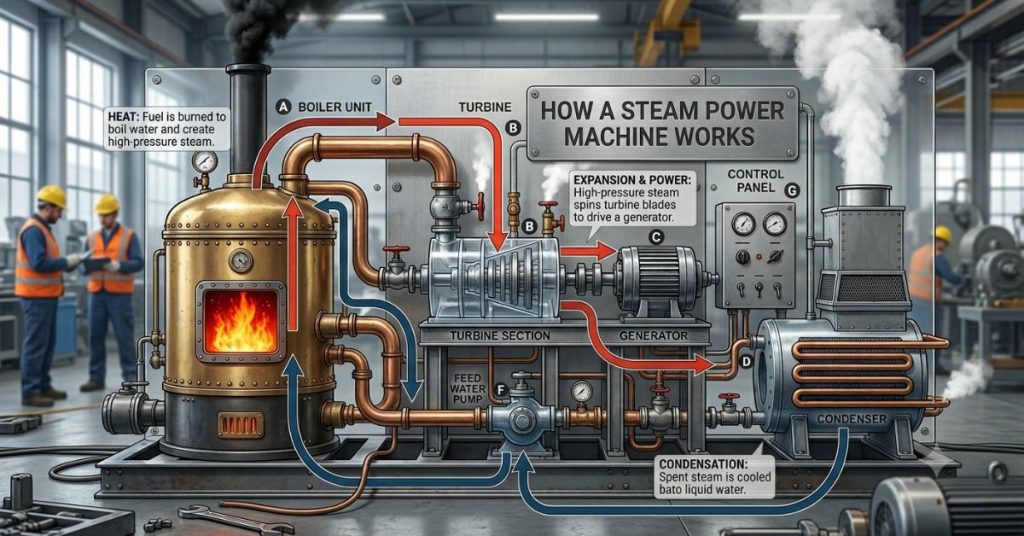
The operation of a steam machine follows a straightforward thermodynamic process:
Step 1: Water Heating
A boiler heats water using fuel sources such as:
- Natural gas
- Coal
- Biomass
- Electricity
- Renewable energy systems
Step 2: Steam Generation
Water transforms into high-pressure steam.
Step 3: Energy Transfer
The steam expands and pushes pistons or turbine blades.
Step 4: Mechanical Output
The generated force powers:
- Industrial machinery
- Electric generators
- Pumps
- Compressors
- Manufacturing systems
Step 5: Condensation and Recycling
Many modern systems recover condensed steam and recycle it back into the boiler, improving efficiency.
Types of Steam Machines
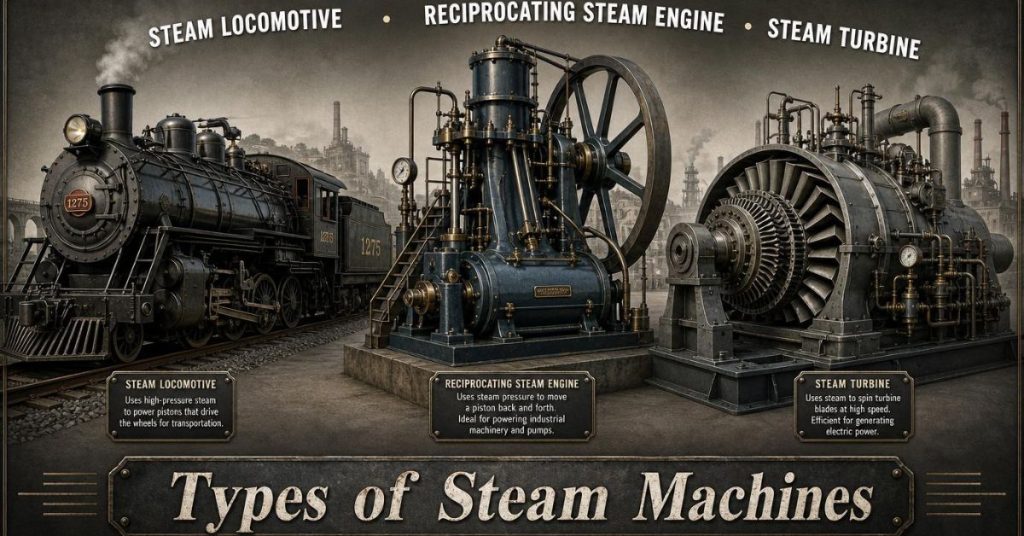
Understanding different types helps businesses choose the right system.
1. Reciprocating Steam Engines
These use pistons moving back and forth inside cylinders.
Common Applications:
- Historical locomotives
- Heritage railways
- Small industrial equipment
2. Steam Turbines
Steam turbines use rotating blades instead of pistons.
Advantages:
- Higher efficiency
- Greater power output
- Lower maintenance
Used In:
- Power stations
- Refineries
- Large manufacturing facilities
3. Combined Heat and Power (CHP) Systems
CHP systems generate electricity while simultaneously utilizing waste heat.
Benefits:
- Reduced energy costs
- Lower carbon emissions
- Improved efficiency
Steam Machine Components Explained
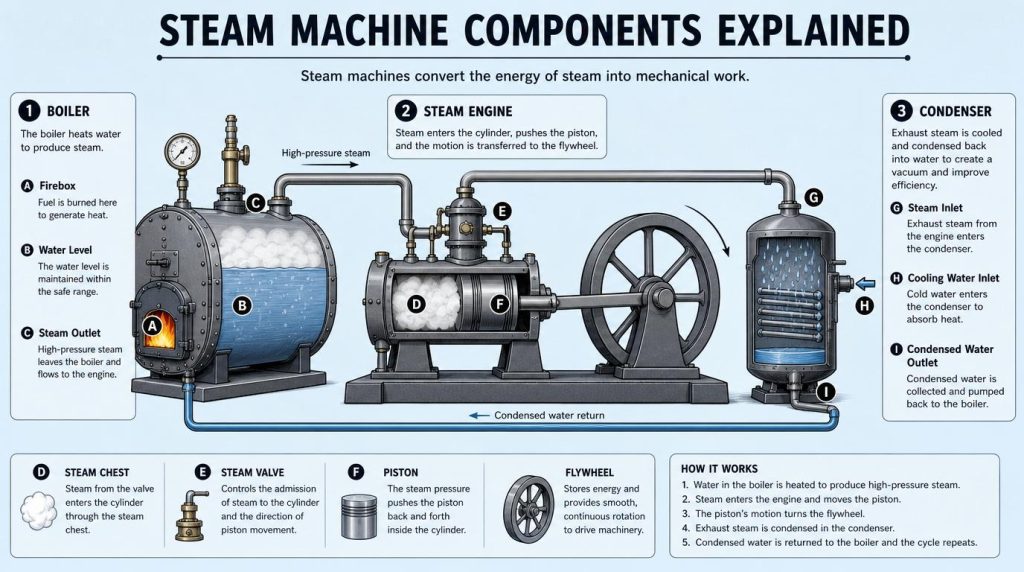
Every industrial steam system contains several key components.
Boiler
Produces high-pressure steam.
Turbine or Engine
Converts steam energy into mechanical energy.
Condenser
Turns steam back into water.
Feedwater Pump
Returns water to the boiler.
Control System
Monitors pressure, temperature, and efficiency.
Modern facilities increasingly use IoT sensors and AI-powered monitoring to optimize performance.
Benefits of Steam Machines in Modern Industry
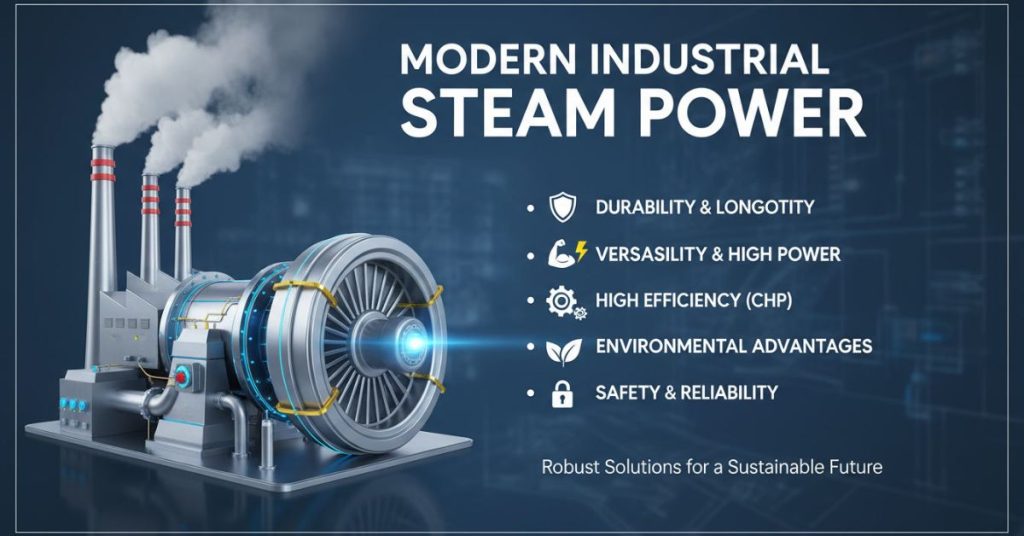
Despite technological advancements, steam systems remain highly valuable.
Energy Efficiency
Steam transfers heat more effectively than many alternative systems.
Scalability
Steam systems can power both small operations and large industrial plants.
Reliability
Properly maintained systems often operate for decades.
Sustainability
Biomass-powered steam generation supports renewable energy initiatives.
Cost Effectiveness
Industries processing large volumes of heat-intensive operations often find steam more economical than electric heating.
Steam Machine Applications in 2026
Steam technology remains relevant across multiple industries.
Power Generation
Steam turbines continue to produce electricity worldwide.
Food Processing
Steam is used for:
- Sterilization
- Cooking
- Pasteurization
- Cleaning
Textile Manufacturing
Steam improves dyeing and fabric treatment processes.
Chemical Processing
Chemical plants rely on steam for temperature control and reactions.
Healthcare
Hospitals use steam sterilization systems to eliminate bacteria and pathogens.
Steam Machine vs Modern Electric Systems
| Feature | Steam Machine | Electric System |
| Initial Cost | Higher | Lower |
| Large-Scale Heating | Excellent | Moderate |
| Efficiency at Scale | High | Moderate |
| Maintenance | Moderate | Low |
| Industrial Use | Extensive | Growing |
| Lifespan | Very Long | Long |
For heavy industrial applications, steam often remains the preferred solution.
AI and Smart Steam Systems in 2026
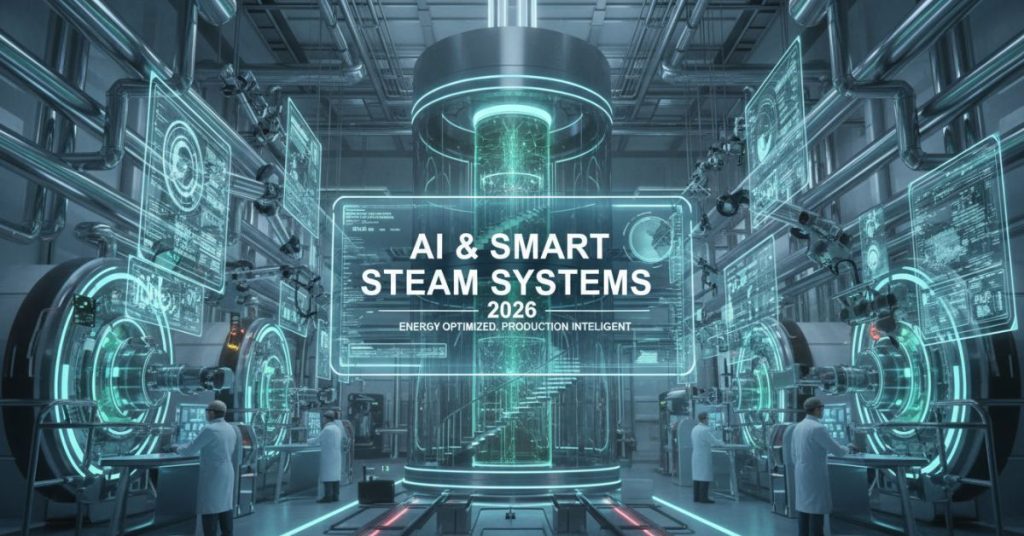
Artificial Intelligence is transforming steam technology.
Predictive Maintenance
AI identifies potential equipment failures before breakdowns occur.
Energy Optimization
Machine learning algorithms adjust steam production based on demand.
Remote Monitoring
Operators can monitor systems through cloud-based dashboards.
Leak Detection
Smart sensors quickly detect steam losses and inefficiencies.
These innovations help facilities reduce operational costs while improving sustainability.
Common Steam Machine Problems and Solutions
Low Steam Pressure
Cause: Boiler inefficiency or leaks.
Solution: Inspect valves, piping, and boiler performance.
Excessive Fuel Consumption
Cause: Poor insulation.
Solution: Upgrade insulation and conduct energy audits.
Condensate Loss
Cause: Faulty recovery systems.
Solution: Improve condensate return processes.
Corrosion
Cause: Water quality issues.
Solution: Implement water treatment programs.
Steam Machine Maintenance Checklist
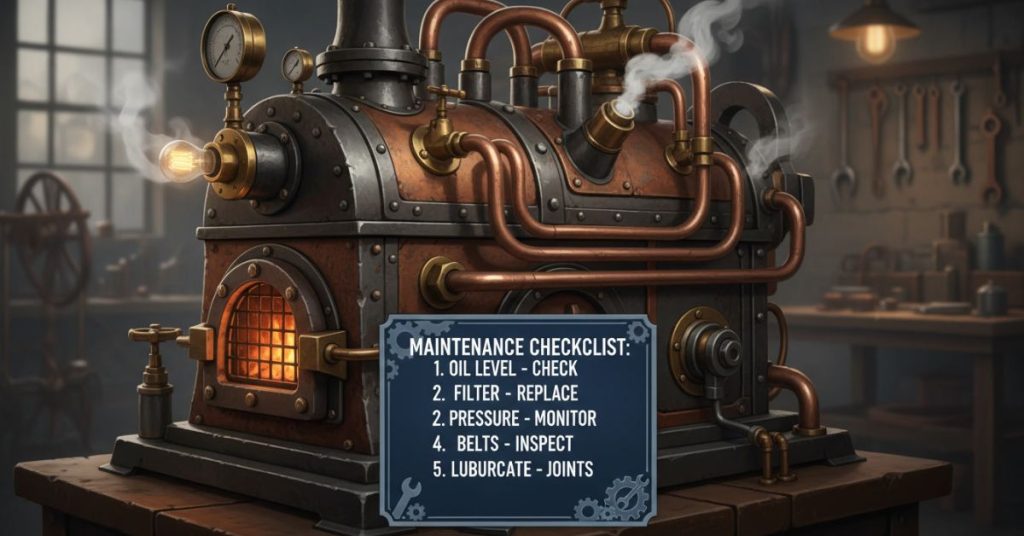
Use this framework for optimal performance.
Daily
- Check pressure gauges
- Inspect safety valves
- Monitor water levels
Weekly
- Test controls
- Inspect piping
Monthly
- Check condensate systems
- Review efficiency metrics
Annually
- Conduct full boiler inspection
- Replace worn components
- Perform energy audit
Future of Steam Machines
Steam technology continues evolving through:
- Green hydrogen boilers
- Biomass fuel integration
- Carbon capture systems
- AI-powered automation
- Smart industrial networks
Experts predict that steam systems will remain essential in sectors requiring large-scale thermal energy, even as industries move toward decarbonization.
Frequently Asked Questions
What is a steam machine used for?
A steam machine converts steam energy into mechanical work or electricity and is commonly used in manufacturing, power generation, and industrial processing.
Are steam machines still used today?
Yes. Modern steam systems remain widely used in power plants, food processing facilities, chemical industries, and manufacturing plants.
What fuel powers a steam machine?
Steam machines can use natural gas, coal, biomass, electricity, renewable energy, and hydrogen-based systems.
Is a steam turbine better than a steam engine?
For large-scale operations, steam turbines are generally more efficient and produce greater power output than traditional piston-based steam engines.
Can steam machines be environmentally friendly?
Yes. Modern systems using biomass, hydrogen, waste heat recovery, and AI optimization can significantly reduce emissions and improve energy efficiency.
What industries rely on steam technology?
Industries including power generation, healthcare, food production, chemical processing, pharmaceuticals, textiles, and paper manufacturing depend heavily on steam systems.
Conclusion
Steam machines remain a foundational technology in modern industry despite the rise of digital automation and electrification.
Their ability to deliver reliable, scalable, and efficient thermal energy ensures continued relevance across manufacturing, healthcare, power generation, and processing industries. As AI, IoT monitoring, renewable fuels, and predictive maintenance become standard, steam systems are evolving into smarter and more sustainable assets for the future.
May be you Like it:
What Industry Is Actually a Complete Scam — But Everyone Just Accepts It?