





Author Section Written By SB SEO Specialist Updated 2026 Introduction If you have been spending time on Indonesian online forums, social media groups, or even just browsing search engines recently, there is a good chance you have come across the phrase “link gacor evohoki.com.“ It sounds intriguing, and if you are curious about what it […]

Introduction
If you have been spending time on Indonesian online forums, social media groups, or even just browsing search engines recently, there is a good chance you have come across the phrase “link gacor evohoki.com.“ It sounds intriguing, and if you are curious about what it actually means or why so many people are talking about it — you are in the right place.
In this guide, I am going to break everything down for you in plain, simple language. We will look at what the term means, why it keeps trending, what platform it is connected to, and most importantly, how you can navigate such topics safely and responsibly online. No hype, no exaggeration — just honest, useful information.
What Does “Link Gacor” Actually Mean?
Let’s start from the beginning. The word “gacor” comes from everyday Indonesian slang. In casual Indonesian conversation, “gacor” is used to describe something that is working really well — something that delivers consistent, impressive results. Think of it like saying “on fire” or “crushing it” in English.
When people attach the word “link” to it, they are referring to a specific web address or access point that is believed to perform better than others — whether that means it loads faster, stays active longer, or simply delivers what users are expecting more reliably.
It is important to understand one thing clearly here: the idea of a link being “gacor” is largely built on user perception and community belief, not on any technical measurement or verified data. People share these links because of personal experiences and word-of-mouth trust — not because anyone has scientifically proven the link works better than another.
Understanding Evohoki.com and Why It Gets Mentioned
Evohoki.com is a platform that frequently appears in online conversations, especially within communities discussing digital access points and specific types of web-based experiences. It has gained traction in certain circles due to a combination of social sharing and user recommendations.
Several factors explain why platforms like this gain attention in 2026:
- Easy multi-device access — users can reach them from smartphones, tablets, and computers with equal ease
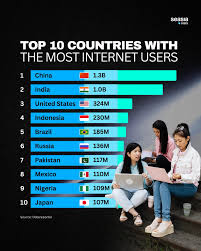
- Growing internet access across Southeast Asia — more people online means larger communities and more conversation
- Community-driven trust — people recommend platforms they have personally tried
- Trending search behavior — once a keyword picks up speed, search engines amplify it further
That said, just because a platform is widely discussed does not automatically mean it is safe, legitimate, or suitable for every user. Being popular and being trustworthy are two very different things.
Why Keywords Like This Keep Trending in 2026

The internet in 2026 runs on attention, and attention is driven by a few very predictable human behaviors. Understanding why a phrase like “link gacor evohoki.com” keeps popping up helps you make smarter decisions about how to engage with such topics.
Social Proof in the Digital Age
When someone you trust inside an online group says “this link works great,” you are naturally more inclined to believe them. This is social proof in action — a well-documented psychological effect where people follow the actions and opinions of others to make their own decisions. Online communities amplify this effect at scale.
The FOMO Effect
Fear of missing out is a real and powerful motivator. When people see a trending topic or a link being enthusiastically shared by dozens of users, their natural instinct is to click before they feel left behind. This emotional trigger drives enormous amounts of web traffic every single day.
Algorithmic Amplification
Search engines and social platforms are designed to show users content that other users are engaging with. When a keyword starts gaining traction, the algorithm pushes it further — creating a feedback loop where more visibility leads to more clicks, which leads to even more visibility. A trend can grow exponentially in days.
Community-Driven Conversations
Indonesian-language forums, WhatsApp groups, and niche online communities play a massive role in spreading platform links and recommendations. Once a link is shared in these tight-knit communities, it spreads organically and very quickly.
The Real Risks You Should Know About
Here is the part that most trending keyword articles skip over — but it is also the most important part. Clicking on any unverified link carries real risks, and “link gacor” searches are no different.
Security Vulnerabilities
Some websites linked in these community discussions are not properly secured. They may redirect users to pages designed to collect personal data, install tracking scripts, or worse. Not every link that looks popular is actually safe.
Misinformation and Inflated Claims
The idea that one specific link is more “effective” or “active” than others is rarely backed by any solid evidence. It is a perception spread by community enthusiasm. Believing such claims without verification can lead to poor choices.
Data Privacy Exposure
Using platforms without reading their privacy policies — or using them on unsecured networks — can expose your personal browsing habits, device information, and in some cases, more sensitive data.
The Danger of Blind Trend-Following
When people follow trends purely out of curiosity or FOMO, they often skip the step of asking “Is this actually safe for me?” That pause is critical and worth developing as a habit.
How to Check If a Link Is Safe Before Clicking

Responsible browsing is a skill, and in 2026 it is more relevant than ever. Before you open any link that you found in a community discussion or trending search, run through this quick checklist:
1. Examine the URL Structure Look carefully at the web address. Does it match the platform’s name exactly? Are there unusual symbols, extra numbers, or strange domain extensions? Scam sites often mimic real ones with small changes.
2. Verify HTTPS A site with a valid HTTPS certificate has at least a basic level of encryption. It does not guarantee safety, but a site without it is an immediate warning sign.
3. Cross-Check User Reviews Search for independent opinions about the platform from outside the community where the link was shared. Look for reviews on neutral forums or technology websites.
4. Never Enter Sensitive Information Carelessly Usernames, passwords, and especially payment information should only go into platforms you have thoroughly verified. If a site is asking for personal data immediately, be cautious.
5. Use Updated Security Tools A good antivirus program and an up-to-date browser with built-in protection can catch many dangerous links before they do any harm.
6. Use a VPN on Public Networks If you ever browse these kinds of platforms on public Wi-Fi, a reliable VPN adds an important layer of security between your device and the website.
Digital Literacy: Your Most Valuable Online Skill in 2026
The internet is bigger, faster, and more complex than it has ever been. Keeping yourself safe and making good decisions online is not about being fearful — it is about being informed.
Digital literacy in 2026 means developing the ability to:
- Recognize when a trend is being driven by hype rather than genuine value
- Identify misleading or exaggerated claims before accepting them as fact
- Evaluate the credibility of a source before sharing or acting on its content
- Protect your personal data by understanding how platforms collect and use information
- Know the difference between community recommendation and independently verified trust
These are not complicated skills. They are habits. And once you build them, navigating the internet becomes significantly safer and more rewarding.
The Psychology Behind “Gacor” Claims — Why We Believe Them
This is something worth understanding on a deeper level. Why do claims like “this link is gacor” gain so much traction even when there is no solid evidence backing them up?
Reward Expectation
Human brains are wired to pursue things that seem to offer consistent rewards. When someone says a link delivers frequent, positive results, the brain responds to that as an opportunity — even before any evidence is evaluated.
Confirmation Bias at Work
Once a user has a single positive experience with a platform, they are more likely to remember and share that experience while quietly ignoring the times things did not work as expected. This creates an overly positive picture in community discussions.
Group Reinforcement
When everyone in a community seems to agree that something works, it becomes harder and harder for any individual to question it. The collective belief becomes its own form of “proof” — even when it lacks a factual foundation.
Understanding these patterns does not make you immune to them, but it does help you pause before acting on them. That pause can make a big difference.
How to Approach Trending Online Topics Responsibly
Rather than either ignoring trends entirely or jumping on every one that appears in your feed, there is a healthier middle ground.
Do your own research first. Before engaging with any trending link or platform, spend a few minutes gathering information from multiple independent sources. Community forums are a starting point, not a final verdict.
Use established platforms where possible. Platforms with long track records, transparent ownership, and clear privacy policies are always a safer choice than new, unverified ones — no matter how many people are recommending them at the moment.
Set personal browsing guidelines. Decide in advance what types of platforms and links you are comfortable exploring. Having that line drawn before curiosity kicks in makes it much easier to stay safe.
Share responsibly. If you decide to share a link in a community, add context. Explain what the platform is, what you experienced, and note any concerns. Honest sharing builds better communities.
Ethical Considerations for Online Communities
This section matters more in 2026 than it ever has before. With the volume of content being shared across platforms, individual behavior online has a real collective impact.
Avoid spreading unverified links. Sharing something just because it is trending — without checking it yourself — contributes to misinformation and potentially exposes others to risk.
Follow platform community guidelines. Most online spaces have rules about what can and cannot be shared. These rules exist to protect users. Respecting them keeps communities trustworthy.
Be honest about your experiences. Exaggerating the benefits of a link or platform to seem more helpful actually causes harm. Genuine, balanced feedback is always more valuable.
Alternatives to Blindly Following Trends
If you find yourself frequently drawn to trending keywords and unverified links, here are some healthier digital habits to build instead:
Bookmark reliable resources. Build a personal library of trusted websites and communities where content is curated and verified. Return to these first when you need information.
Follow topic-specific experts. In any niche, there are people who consistently produce accurate, helpful content. Following them reduces your exposure to hype-driven misinformation.
Take a “24-hour rule” approach. When something trending catches your attention, wait 24 hours before engaging with it. Very often, the initial hype fades and a clearer picture emerges.
Practice source diversification. Never rely on a single community or platform for your understanding of a topic. Multiple sources with different perspectives always produce a more accurate picture.
A Note on Long-Term Online Wellbeing
Online trends like “link gacor evohoki.com” come and go quickly. What lasts is the quality of your browsing habits, your ability to evaluate information critically, and your commitment to engaging with the internet in a way that protects both yourself and others.
Short-term curiosity is completely natural. But building a long-term habit of thoughtful, informed browsing will always serve you better than chasing whatever is trending today.
The internet is an incredible resource. Treat it with respect, approach new information with healthy skepticism, and you will have a genuinely better experience on it — in 2026 and beyond.
Frequently Asked Questions
What exactly is a “link gacor”? It is a term used in Indonesian online communities to describe a link or URL that users believe works better, stays more consistently active, or delivers more reliable results compared to others. It is based on community perception rather than technical verification.
Is evohoki.com safe to use? Safety depends entirely on proper verification. Before using any platform, check for HTTPS, look for independent reviews outside the community where you found it, and avoid sharing personal information until you are confident the platform is trustworthy.
Why does this keyword keep trending? It trends because of a combination of social sharing within tight-knit online communities, curiosity and FOMO among users, and algorithmic amplification by search engines and social media platforms.
Are “gacor” links guaranteed to perform better? No. There is no independent verification that any link labeled “gacor” actually performs better than alternatives. The label is built on community opinion and shared personal experiences.
How do I check if a link is legitimate? Look for HTTPS in the URL, verify the domain name carefully, search for independent reviews, and avoid entering any personal information on a platform you have not thoroughly checked.
Should I trust links shared in forums or WhatsApp groups? Not automatically. Treat community-shared links as starting points for your own research, not as verified recommendations. Always cross-check before clicking.
What are the main risks of following unknown links? The primary risks include exposure to malware, phishing attempts, data privacy breaches, and financial scams. These risks are real regardless of how popular or trusted the link seems within a community.
What should I never do on an unverified platform? Never enter passwords, payment details, or personal identification information on a platform you have not independently verified.
Why do people trust “gacor” claims so easily? Because of well-documented psychological effects including reward expectation, social proof, confirmation bias, and group reinforcement. These are natural human tendencies that can be managed with awareness and critical thinking.
What is the safest approach to trending links? Stay curious but cautious. Do your own research from multiple sources, verify security indicators, and never let FOMO push you into clicking something you have not checked first.
Final Thoughts
The phrase “link gacor evohoki.com” is a perfect example of how quickly online trends form and spread — fueled by human psychology, community dynamics, and digital algorithms working together. It is fascinating and worth understanding.
But understanding a trend and blindly following it are two very different things. The most valuable thing you can take away from this guide is not any specific information about one platform or keyword — it is the habit of pausing, questioning, and verifying before you engage with anything you find through a trending search.
Stay curious. Stay skeptical. Stay safe.
Read Related posts
Slot Thailand www.dewabos138.com – Safe Guide 2026
Slot Gacor Evohoki.com – Link, Info, and Platform Guide
Situs Gacor www.dewabos138.com – Safe & Smart Guide for Online Players in 2026
Link Slot 988slot.com – Complete 2026 Player Guide for Online Slot Games
How to Play Smarter on Slot Gacor SektorPlay88.com – A 2026 Player’s Guide
RTP Gacor Evohoki.com – Your Ultimate Guide to Online Slots (2026 Edition)